
Finding the lowest calorie Thai food that still tastes great
Many Thai dishes are calorie-dense because of coconut milk, frying oil, and added sugar. But Thai cuisine also includes some of the lowest-calorie dishes of any cuisine: clear soups, grilled meats, and fresh salads that come in well under 200 calories per serving, a fraction of the NHS recommended daily intake of 2,000 kcal for women and 2,500 for men. Here is a practical guide to the best low-calorie options. In Thailand, food standards and nutrition information are overseen by the Thai FDA (Ministry of Public Health).
Thai food calories: complete reference table
Here's a quick reference for the approximate calories, protein, fat and carbs per serving. Values are estimates. Actual numbers vary by portion size, recipe and whether you eat it at home or in a restaurant. Rice and noodles are not included in the counts below.
| Dish | Calories | Protein | Fat | Carbs |
|---|---|---|---|---|
| Tom Jued (Clear Soup) | 60–80 | 6g | 2g | 5g |
| Tom Yum Soup | 70–90 | 8g | 3g | 5g |
| Pak Boong Fai Deang (Stir-Fried Morning Glory) | 70–100 | 2g | 6g | 8g |
| Som Tum (Green Papaya Salad) | 80–100 | 3g | 4g | 12g |
| Pad Phak (Stir-Fried Vegetables) | 80–120 | 3g | 6g | 8g |
| Yum Hed (Mushroom Salad) | 80–120 | 5g | 4g | 10g |
| Pad Pak Ruam (Mixed Vegetables Stir-Fry) | 100–150 | 4g | 8g | 10g |
| Pla Neung Manao (Steamed Fish with Lime) | 150–250 | 28g | 4g | 5g |
| Pla Muk Pad Phrik (Stir-Fried Squid) | 150–200 | 22g | 5g | 6g |
| Yum Woon Sen (Glass Noodle Salad) | 170–250 | 12g | 8g | 18g |
| Goong Pad Pak (Stir-Fried Shrimp with Vegetables) | 150–250 | 20g | 8g | 12g |
| Pad Pak Ruam Mit (Mixed Vegetables with Cashew Nuts) | 150–250 | 8g | 10g | 15g |
| Gai Pad Krapow (Basil Chicken) | 200–300 | 25g | 12g | 15g |
| Larb (Spicy Thai Salad) | 200–300 | 25g | 14g | 8g |
| Guay Tiew Tom Yum (Spicy Noodle Soup) | 250–350 | 15g | 8g | 35g |
| Tom Kha Gai (Coconut Chicken Soup) | 250–350 | 18g | 18g | 12g |
| Khao Man Gai (Chicken and Rice) | 250–350 | 22g | 12g | 30g |
| Pad Kana Moo Krob (Crispy Pork with Chinese Broccoli) | 250–350 | 20g | 16g | 18g |
| Moo Pad Prik Gaeng (Pork with Red Curry Paste) | 250–350 | 22g | 18g | 12g |
| Khao Pad (Thai Fried Rice) | 300–400 | 15g | 16g | 35g |
Factors affecting caloric content in Thai food
The caloric content of a Thai dish can vary widely depending on several factors. Ingredients matter most: the choice of meats, vegetables, and sauces can significantly shift the calorie count. Cooking method also plays a role, since stir-frying, steaming, and grilling all produce different results from deep-frying. Portion size is as important here as in any cuisine, and accompaniments like rice or noodles can add a substantial number of extra calories to an otherwise light meal.
Why Thai cooking is naturally lean
Thai cuisine is built around cooking methods that preserve nutrition while minimising added fat. Rapid stir-frying and steaming are the dominant techniques. Both cook food quickly at high heat, which retains the nutritional value of vegetables and requires far less oil than deep-frying or Western pan-frying methods.
The structure of a traditional Thai meal also keeps calories in check. Rather than Western-style plates with a large meat portion and a small side of vegetables, Thai meals centre on plain steamed rice paired with a variety of highly flavoured side dishes, such as curries, soups, and salads, each served in modest portions. The rice provides the bulk of the calories; the side dishes deliver flavour with relatively few.
Vegetables are used abundantly, preferably seasonal and locally grown, while meat and fish are added more sparingly. Carbohydrates come from rice and noodles, making it straightforward to create low-fat meals by choosing the right dishes and controlling rice portions.
Low-calorie Thai dishes
The lowest-calorie Thai dishes fall into three categories: clear soups, fresh salads, and grilled or steamed proteins. Coconut-based curries, deep-fried items, and dishes with heavy palm sugar are the highest. Here are the best low-calorie choices, starting with the lightest.
1. Tom Yum Soup
Approximately 70–90 calories per serving. Tom Yum is a classic Thai hot and sour soup known for its bold flavours, typically made with shrimp or chicken, mushrooms, lemongrass, lime leaves, and chilli peppers. The aromatic herbs and spices deliver plenty of taste without piling on calories.

2. Som Tum (Green Papaya Salad)
Approximately 80–100 calories per serving. Som Tum is a refreshing salad made from shredded green papaya, cherry tomatoes, green beans, and peanuts. The dressing is mostly lime juice, fish sauce and chilli; there is almost no oil or sugar, which is why it stays so light. The original Isaan name is tum som, meaning "pounded spicy", named after the mortar and pestle technique used to make it. Green papaya itself is a relatively modern addition; it was first introduced to Thailand in the 17th century, brought from the Americas via the Philippines. See my full Som Tum recipe for the authentic Chiang Mai version.

3. Gai Pad Krapow (Basil Chicken)
Approximately 200–300 calories per serving. Gai Pad Krapow is a stir-fry combining ground chicken with Thai basil, garlic, and chilli. It carries more calories than the soups and salads above but is still relatively light compared to coconut curries.

4. Yum Woon Sen (Glass Noodle Salad)
Approximately 170–250 calories per serving. Yum Woon Sen is a Thai salad made with glass noodles, minced pork or shrimp, lime juice, fish sauce, and fresh vegetables. It is not the absolute lowest calorie option on this list, but it is light and satisfying.

5. Pla Neung Manaow (Steamed Fish with Lime)
Approximately 150–250 calories per serving. Pla Neung Manaow features steamed fish (often snapper or sea bass) served with a lime and garlic sauce. Steaming keeps it lean compared to fried fish dishes.

6. Pad Phak (Stir-Fried Vegetables)
Approximately 80–120 calories per serving. Pad Phak is a simple stir-fried vegetable dish that is both nutritious and low in calories. It typically includes broccoli, carrots, bell peppers, and snow peas stir-fried with garlic and oyster sauce or soy sauce.

7. Larb (Spicy Thai Salad)
Approximately 200–300 calories per serving. Larb is a spicy and tangy Thai salad made with minced meat (often chicken, pork, or beef) combined with fresh herbs, lime juice, fish sauce, and ground rice powder. It is flavourful and satisfying without being heavy. Larb is an Isaan dish, see my guide to Isaan food for more about this fiery regional cuisine. My authentic Larb recipe shows the Isaan-style version with toasted rice powder.

8. Tom Jued (Clear Soup)
Approximately 60–80 calories per serving. Tom Jued is a clear and light Thai soup made with a simple broth, tofu, fish or chicken, and vegetables like mushrooms and napa cabbage. It is soothing, often served as a starter, and probably the lowest calorie Thai food you can find.

9. Pak Boong Fai Deang (Stir-Fried Morning Glory)
Approximately 70–100 calories per serving. Morning glory stir-fried with garlic and oyster sauce or soy sauce is a standard side dish across Thailand, high in vitamins and minerals, with minimal calories.

Tips for choosing the lowest calorie Thai food
When dining at a Thai restaurant or preparing Thai food at home, a few habits make a real difference. Grilled, steamed, and lightly stir-fried dishes are consistently lower in calories than anything deep-fried, so those are the ones to look for first. Portion size matters too; if the servings are large, sharing a couple of dishes lets you enjoy more variety without overindulging. For protein, chicken, tofu, and seafood are leaner choices than fatty cuts of pork or beef. Calorie-laden sauces are worth watching, so asking for them on the side gives you control over how much you use. Thai cuisine has a wide variety of vegetable-rich dishes, so loading up on those increases your fibre intake while keeping calories down. You can also ask for modifications when eating out: less oil, less sugar, or extra vegetables are all reasonable requests. Finally, drinking water or herbal tea rather than sugary drinks helps keep your overall intake in check.
A note on sodium: some of the lowest-calorie Thai dishes, particularly Tom Yum and other broth-based soups, are also very high in sodium. See the full breakdown below for which dishes to watch and which to avoid.

Low-sodium Thai food
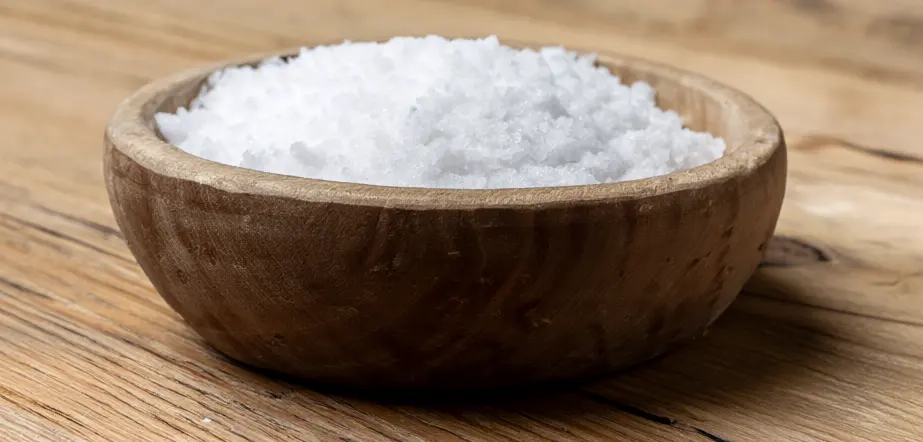
Thai food is high in sodium, and not because Thais love salt. It's because fish sauce, oyster sauce, soy sauce, shrimp paste, and MSG are the building blocks of Thai cooking. A nationwide study measured Thai adults' actual sodium intake at 3,636mg per day. The WHO recommends 2,000mg. That's nearly double.
Which Thai dishes are lower in sodium?
Dishes that rely on lime juice, chilli, and fresh herbs instead of salty sauces are your best bet. Tom Jued (clear soup) sits at around 300–500mg sodium per serving. Just a simple broth with tofu, chicken or fish, and vegetables. Pla Neung Manao (steamed fish with lime) is similar at 400–600mg, because the lime and garlic do the flavouring instead of fish sauce. Gaeng Liang, a southern Thai herb soup with no coconut milk, is another low-sodium option at 300–500mg and one of the healthiest Thai foods you can order.
Fresh salads like Som Tum (800–1,000mg) and Larb (600–900mg) are moderate. The dressing is lime and chilli based, but fish sauce is still in there. Order Som Tum without fermented fish sauce (pla ra) to cut the sodium. Yum Woon Sen (glass noodle salad) is around 700–900mg, lighter than curry-based dishes but still using fish sauce in the dressing.
Which Thai dishes are highest in sodium?
Kidney specialists in Thailand have measured the sodium content of popular dishes. The results are striking:
- Som Tam Pla Ra / Som Tam Pu: 1,913mg. One plate is almost a full day's sodium limit. Fermented fish sauce and salted crab are the culprits.
- Creamy Tom Yum Goong: 1,726mg. Chilli paste and ready-made seasonings pack it in.
- Pork Panang curry: 1,349mg. Ready-made curry paste and fish sauce.
- Chicken Massaman curry: 1,303mg. It tastes sweet, but the curry paste is salty.
- Pad Thai: 1,138mg. The tamarind sauce masks the salt.
- Yum Mama: over 1,000mg. Both the instant noodles and the dressing are high sodium.
How to eat low-sodium Thai food
You don't need to avoid Thai food. These tips make a real difference:
- Ask for less fish sauce. Most Thai restaurants will adjust the recipe. Say "nam pla nid noi" (less fish sauce) or "mai sai nam pla" (no fish sauce).
- Skip the table condiments. Many people add extra fish sauce, chilli flakes, or sugar at the table. That pushes sodium even higher.
- Choose steamed or grilled over stir-fried. Stir-fried dishes absorb more sauce, and the sauce carries most of the sodium.
- With curries and soups, eat the solids, not the broth. Most of the sodium is in the coconut milk or broth.
- Ask for no MSG. Monosodium glutamate is used in most Thai kitchens as a standard flavouring. It's safe but it adds sodium.
- Low-sodium fish sauce is widely available in UK supermarkets and works as a direct substitute in home cooking.
- Eat potassium-rich foods alongside your meal. Bananas, guava, watermelon, and leafy greens help your body balance out excess sodium.
The WHO and Thailand's Ministry of Public Health recommend no more than 2,000mg of sodium per day. A single plate of Som Tam Pla Ra can contain nearly 1,913mg. That's almost a full day's limit in one dish.
How to order at a Thai restaurant for the lowest calories
When you're at a Thai restaurant, the menu can look daunting if you're watching your intake. Here's what to look for:
- Look for these keywords: "Steamed" (neung), "grilled" (ping), "boiled" (lom), and "clear soup" (tom) are your safest bets. Tom Yum Nam Sai (clear soup) is lower in calories than Tom Kha Gai (coconut soup) because it has no coconut cream.
- Avoid these keywords: "Deep-fried" (tod), "crispy" (krok), and any dish described as "creamy" or "in coconut sauce" will be significantly higher in calories.
- Curry shorthand: If you want a low-calorie curry, ask for Gaeng Pa (jungle curry) or Gaeng Som (orange/sour curry). Both use water or tomato broth instead of coconut milk. Green, red, yellow and massaman curries all contain coconut milk.
- Rice on the side: A typical serving of white rice adds about 200–300 calories. Ask for it on the side and take only what you need, or swap it for a side of steamed vegetables.
- Ask for less sugar: Many Thai restaurants add palm sugar to curries and stir-fries as a standard. Asking for "mai wan nam tan" (no sugar) is a simple request that can save 50–100 calories per dish.
- Share dishes: Ordering two or three dishes to share with rice works well. You get variety and naturally control portions.
Conclusion
Stick to soups, salads, grilled dishes, and stir-fried vegetables and Thai food is easy to fit into a low-calorie diet. The main dishes to avoid are coconut-based curries, deep-fried snacks, and anything with added palm sugar. For a broader look, read my guide on whether Thai food is healthy. If you have gluten concerns, check out is Thai curry gluten-free.
Which Thai curry is low calorie?
Most people picture green, red or panang curry (all coconut-based and all fairly heavy on calories). These are some of the most popular Thai curries, along with yellow curry and massaman curry, and they all have two things in common: they are coconut milk-based and they all contain sugar.
That doesn't make them unhealthy though. Coconut milk is a natural ingredient and its saturated fat is quickly burned as fuel, unlike animal fats. It does mean they are not extremely low-calorie, but a reasonable portion fits easily into a balanced diet.
So which Thai curry is low calorie you are wondering.. Well, there are two more curries that you may not have heard of, Jungle curry and Orange Curry.
Jungle curry (gaeng pa) is one of the hottest dishes in Thailand and contains very few calories. Unlike other curries, it uses water, broth, or stock instead of coconut milk, which is why it is so much lighter. It is sometimes found in Thai restaurants in Western countries but it is rarely authentically hot! The WebMD notes that the capsaicin in the chillies used may help protect against cancer and heart disease. It is often made with fish, chicken, or tofu and plenty of wild herbs and vegetables.
Orange curry (gaeng som) on the other hand is hardly ever found outside of Thailand. It is definitely a low-calorie curry, but it is also an acquired taste which is why you will most likely have to go to Thailand to try it!
Can't decide what to eat tonight?
Take our 60-second quiz and we'll pick for you

How many calories in a bowl of Thai curry?
| Thai Curry | Approximate Calories per Serving |
|---|---|
| Green Curry (Gaeng Keow Wan) | 300-400 calories |
| Yellow Curry (Gaeng Karee) | 300-400 calories |
| Red Curry (Gaeng Phet) | 350-450 calories |
| Massaman Curry (Gaeng Massaman) | 400-500 calories |
| Panang Curry (Gaeng Panang) | 300-400 calories |
| Jungle Curry (Gaeng Pa) | 250-350 calories |
| Orange Curry (Gaeng Som) | 200-300 calories |
Sources
Calorie guidance: NHS on understanding calories; Thai FDA (Ministry of Public Health).
FAQs about the lowest calorie Thai food
1. What makes Thai cuisine low in calories?
Thai cuisine can be low in calories due to several factors. Many Thai dishes feature lean proteins like chicken, seafood, and tofu, and they incorporate an abundance of fresh vegetables and herbs. Additionally, Thai cooking methods such as stir-frying and steaming often use less oil compared to deep-frying.
2. Are all Thai dishes high in calories?
No, not all Thai dishes are high in calories. While some Thai dishes, like coconut-based curries, can be calorie-dense, there are plenty of lighter options available. Thai cuisine offers a diverse range of dishes, and many are relatively low in calories, especially those that emphasize vegetables and lean proteins.
3. What are some popular low-calorie Thai dishes?
Popular low-calorie Thai dishes include Tom Yum Soup, Som Tum (Green Papaya Salad), Gai Pad Krapow (Basil Chicken), Yum Woon Sen (Glass Noodle Salad), Pla Neung Manao (Steamed Fish with Lime), Pad Phak (Stir-Fried Vegetables), Larb (Spicy Thai Salad), and Pad Pak Ruam (Mixed Vegetables Stir-Fry). Tom Jued (Clear Soup) is the lowest calorie Thai food.
4. Can I make Thai dishes lower in calories by making substitutions or modifications?
Yes, you can make Thai dishes lower in calories by making smart choices. For example, you can opt for lean proteins, request less oil, choose brown rice instead of white rice, and control portion sizes. You can also ask for sauces and dressings on the side to control their use.
5. Are Thai salads a good low-calorie option?
Yes, Thai salads like Som Tum (Green Papaya Salad) and Larb (Spicy Thai Salad) are excellent low-calorie options. They are typically light, refreshing, and packed with fresh vegetables, herbs, and lean proteins, making them a healthy choice.
6. Can I enjoy Thai cuisine while on a calorie-restricted diet?
Absolutely! Thai cuisine offers a wide range of options that can fit into a calorie-restricted diet. You can select dishes that align with your dietary goals, such as those rich in vegetables, lean proteins, and herbs, while being mindful of portion sizes. Some of the lowest calorie Thai foods are actually the tastiest!
7. What should I consider when dining out at a Thai restaurant for lower-calorie options?
When dining out at a Thai restaurant, consider choosing dishes labelled as “steamed,” “grilled,” or “stir-fried” with minimal oil. You can also request modifications to reduce calories, such as requesting less sugar or oil in your dishes.
8. Are there vegan or vegetarian low-calorie Thai options?
Yes, there are many vegan and vegetarian low-calorie Thai options available. Thai cuisine features a wide variety of plant-based dishes that include tofu, tempeh, and an array of vegetables. Dishes like Pad Phak (Stir-Fried Vegetables) and Tom Yum Soup can easily be made vegan or vegetarian.
9. Is it possible to enjoy Thai food on a weight loss journey?
Yes, Thai cuisine can be part of a successful weight loss journey. By making informed choices and practising portion control, you can enjoy the flavours of Thailand while managing your calorie intake and achieving your weight loss goals.
10. What are some low-calorie Thai dessert options?
While Thai desserts are often sweet and indulgent, there are a few lighter options. For instance, fresh fruit platters are a healthy way to satisfy your sweet tooth. Additionally, you can enjoy Thai iced tea or coffee with less sugar or opt for a simple dish of fresh mango with sticky rice without excessive coconut milk.
The calorie table above gives a reliable reference for the most common dishes. When dining out, ask for sauces on the side and choose grilled or steamed over fried.
11. Are there low-sodium Thai food options?
Yes. The lowest-sodium Thai dishes are clear soups (Tom Jued at ~300–500mg sodium), steamed fish with lime (Pla Neung Manao at ~400–600mg), and southern Thai herb soup (Gaeng Liang at ~300–500mg). Fresh salads like Som Tum and Larb are moderate at 600–1,000mg if you order them without fermented fish sauce. High-sodium dishes to avoid include Som Tam Pla Ra (~1,913mg), creamy Tom Yum (~1,726mg), Pad Thai (~1,138mg), and Massaman curry (~1,303mg). Ask for less fish sauce, no MSG, and skip the table condiments to keep sodium down.



Comments