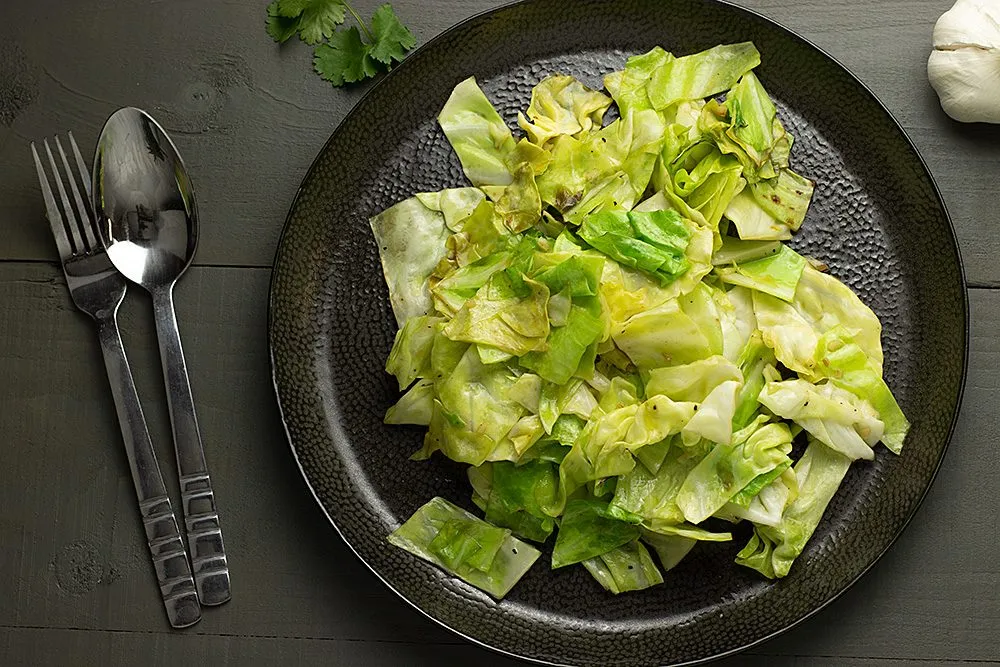
This is such a simple and easy side dish to make. Whatever Thai food you are making, this cabbage stir fry will make the perfect side dish to go along with it. The best thing is, this Thai cabbage stir fry recipe is so simple and easy to follow, anyone can do it. Just follow the directions below and don’t forget to check out the video at the bottom where you can see exactly how I make it, But trust me it’s so simple.
The only thing that can go wrong is over cooking the cabbage. The last thing you want is soggy cabbage. The trick is to use a very high heat for a very short amount of time.
About Thai Cabbage Stir Fry (Pad Galampli)
In Thai, this dish is called Pad Galampli (ผัดกะหล่ำปลี), literally "fried cabbage." It appears on almost every Thai family table as a side dish alongside a curry or soup. In Thailand, a meal isn't a single dish. It's rice, a curry, a soup, and two or three small stir-fried vegetables like this one. This is one of those vegetables.
What makes it work is simplicity. Five ingredients, two minutes on a screaming hot wok, and you get something genuinely good. The fish sauce caramelises slightly against the hot metal, the garlic goes golden, and the cabbage keeps just enough crunch to stay interesting. Getting the heat right matters more than anything else here.
Why Thais Love This Dish
Pad galampli is so simple, quick and tasty that it turns up at almost every big Thai gathering: weddings, funerals, celebrations. When you're feeding 50 people and need something that works with every other dish on the table, cabbage stir fry is the easy answer. It doesn't overpower anything, it doesn't demand special ingredients, and you can make it in five-minute batches in the wok.
In Thai dining culture, meals are communal and simultaneous. Everyone eats from the same rice bowl and shares dishes that arrive at the table all at once: curry, soup, stir-fried vegetables, fresh herbs on the side. Pad galampli's job is to add freshness and a textural contrast to richer curries. The crispiness of the cabbage against the creaminess of coconut curry is the whole point.
Why Sweetheart Cabbage?
I use sweetheart cabbage (also called pointed cabbage or hispi) rather than regular round white cabbage. The leaves are more tender, slightly sweeter, and wilt perfectly without going mushy. White cabbage can work but it needs slightly longer cooking and the texture isn't quite the same. If that's all you have, cut the pieces a bit smaller and don't let it sit in the heat a second longer than needed.
The Garlic Technique: Preventing Bitterness
The single most important ingredient in this dish is garlic, and the single most important technique is cooking it correctly. Here's the mistake most people make: they throw cold garlic into a screaming-hot wok and watch it burn to a dark brown colour in seconds. Dark garlic = bitter, sulfurous off-flavours that ruin the entire dish.
Here's what to do instead. Heat your oil to medium or medium-low heat before adding the garlic. Yes, I know the final cooking is high-heat; the garlic step is different. Add the diced garlic to warm (not hot) oil and stir constantly for about 2 to 3 minutes. What you're watching for is the colour: it should turn a light golden, almost honey-coloured, before you add the cabbage. That golden stage is the sweet spot, where the garlic's natural sugars and amino acids have caramelised slightly and turned sweet. The moment it starts to darken beyond that light gold, stop stirring and add the cabbage straight away.
Why medium-low, not high? Because garlic has almost no water content compared to vegetables like cabbage. In a dry pan at high heat, it carbonises almost instantly. At medium heat, the moisture in the garlic itself creates just enough steam to cook it gently. You'll see tiny bubbles forming around the garlic pieces, and that's the steam doing the work.
If you accidentally let the garlic brown too dark, don't throw it away. The traditional Thai rescue is a light dusting of powdered sugar mixed into the finished dish. It doesn't make it sweet; it balances the burnt, bitter edge. But prevention is easier than rescue.

Ingredients
- 200g sweetheart cabbage
- 2 cloves of garlic
- 1 tbsp fish sauce
- A pinch of black pepper
- Cooking oil
Directions
The preparation is very straightforward. Peel your sweetheart cabbage and then cut it into pieces as shown below. Dice your garlic into small pieces and you’re ready to cook!


Heat the wok to a pretty high temperature and add some cooking oil. The secret to cooking cabbage stir fry is that you need a high heat for a very short amount of time. It’s a really quick dish to make, I can’t emphasise that enough…
First in is the garlic. Give it a stir and wait for it to start changing colour.
Next is the cabbage. Give it a stir for a few seconds..
Now we add the fish sauce. This is a very important part here. We don’t just put it on the cabbage we run it around the edge of the wok. This will give it much more flavour.
A pinch of black pepper and you’re done..
Turn off the heat and tip the cabbage onto a plate while it is still crispy. You don’t want to cook it until it goes soggy!! And there you have it… Thai cabbage stir fry. So simple and yet so tasty. All you need is some jasmine rice to go along with it!
Variations Worth Trying
The version above is the most basic, and often the best. But a few easy variations are worth knowing:
- Add oyster sauce. A tablespoon alongside the fish sauce gives the dish a richer, slightly sweeter flavour. This is the version I make when serving it as a main with just rice.
- Add dried chilli. A couple of dried red chillies tossed in with the garlic add background heat that works well with the sweetness of the cabbage.
- Add egg. Crack an egg into the wok just before the cabbage goes in and scramble it quickly. It coats everything in a light savoury layer.
Understanding Fish Sauce in Pad Galampli
Fish sauce (nam pla) is the soul of this dish, and the way you use it matters more than the quantity. The technique we use here, running it around the edge of the hot wok, isn't decorative; it's chemistry.
When fish sauce hits the screaming-hot surface of the wok, it sizzles and releases aroma in a burst. The heat causes the sauce to caramelise slightly, creating depth and savouriness that simply stirring it into the cabbage wouldn't achieve. The edge-splash technique also generates steam, which gently finishes cooking the cabbage while the fish sauce flavours penetrate.
Not all fish sauce is the same. The best Thai fish sauce (30N grade, where N = nitrogen content) is made from just anchovy and salt, with a clear amber to dark reddish-brown colour. It's drawn as the first pressing and is naturally salty and intensely umami. You don't need a premium bottle for cooking pad galampli (a mid-range cooking-grade sauce works perfectly), but if your fish sauce is pale or smells overly vinegary, replace it. A better sauce will caramelise more visibly in the wok and deliver cleaner flavour.
The two-bottle approach: keep a workhorse cooking-grade sauce for stir-fries and curries, and a small premium bottle for dipping sauces where the sauce is the star. For this dish, your standard cooking sauce is ideal.
What to Serve It With
This is a side dish. Serve it with jasmine rice and any of the following:
- Thai green curry: the freshness of the cabbage cuts through the richness of the coconut milk
- Tom Yum soup: a classic Thai combination of soup, rice and a stir-fried vegetable
- Pad Krapow Gai: two quick dishes side by side, on the table in under 15 minutes
Frequently Asked Questions
How do I know when the garlic is the right colour?
Light golden, like honey or light amber. The moment it starts to look darker (like caramel), add the cabbage immediately. You want to catch it before it darkens further. The residual heat will continue cooking the garlic for a few seconds after you add the cabbage.
Can I use regular white cabbage instead of sweetheart cabbage?
Yes, but the result is slightly different. White cabbage is tougher, so you'll need to cut the pieces smaller and cook it slightly longer. It won't stay quite as crispy as sweetheart cabbage, but it will still be delicious. Just watch the texture closely and don't let it go mushy.
Why is the dish soggy sometimes?
Two reasons: too much heat at the wrong time (overcooking the cabbage), or letting it sit in the wok after cooking. The moment the cabbage is wilted but still crisp, turn off the heat and tip everything onto a plate. Don't wait around; residual heat from the wok keeps cooking it.
What fish sauce brand do you recommend?
For cooking, any mid-range Thai fish sauce works well (Red Boat, Three Crabs, Megachef). Look for clear amber-to-dark brown colour, not pale yellow. Avoid Vietnamese fish sauce for this dish, as it has a slightly different flavour profile. For the UK, Red Boat and Three Crabs are easy to find in Asian supermarkets or online.
Can I make this ahead and reheat it?
Not really, since the appeal of pad galampli is the crispiness of the cabbage. Once cooked, it's best eaten immediately. If you must make it ahead, cook the cabbage and garlic separately, then combine them just before serving. The cabbage will soften over time, but reheating it won't restore crispiness.
Is pad galampli gluten-free?
Yes, the basic recipe is naturally gluten-free: just cabbage, garlic, oil, fish sauce and black pepper. Most fish sauce is gluten-free, but check the label if you're cooking for someone with coeliac disease. If you add oyster sauce (one of the variations), make sure it's certified gluten-free.
What oil should I use?
A neutral, high-smoke-point oil like vegetable oil, canola oil, or groundnut oil. These oils won't interfere with the flavour of the fish sauce and can handle the high heat. Avoid olive oil (too low a smoke point) or strongly flavoured oils like sesame oil (they'll overpower the dish).
How much black pepper should I add?
A pinch, literally a small pinch between your thumb and fingers. The black pepper is meant to be a whisper of background spice, not a dominant flavour. If you like more pepper, crack fresh pepper over the finished dish rather than adding it during cooking, and it'll have more impact that way.
Can I scale this recipe up for a crowd?
Yes, but cook in batches. Don't try to cook 2 kg of cabbage in one wok session: the temperature will drop, steam will build up, and you'll end up with soggy cabbage instead of crispy. Stick to 200 g of cabbage per batch and cook multiple batches. It only takes 2 to 3 minutes per batch anyway.



Comments